
Insulated right, before the drywall goes up.
Spray foam insulation for one of Arizona's fastest-growing towns — Queen Creek sits in IECC Climate Zone 2B, and with thousands of new homes framed here every year, the building envelope is worth getting right the first time. Open-cell and closed-cell foam for new construction, attics, walls, and garages.
Built into the framing, not added later
New build, remodel, or a hot garage bonus room — tell us about your project and we'll build a clear, no-pressure quote.
- Coordinate with your builder's schedule
- Insulate the roofline before drywall
- Zone-2B-appropriate R-values
Queen Creek is growing fast. Your insulation should keep up with it.
Queen Creek has ranked among the fastest-growing towns in Arizona for years running, with more than 8,000 single-family building permits pulled across the area in the last five years alone. That growth means a huge share of homes here are still under framing at any given moment — which is exactly the window where insulation is cheapest to do right, and most expensive to fix later.
Queen Creek also sits in IECC Climate Zone 2B — a genuine hot-dry desert climate. ENERGY STAR and DOE guidance for Zone 2 homes points toward attic insulation in the R30 to R49 range, and standard builder-grade batt or blown-in insulation regularly falls short of sealing the envelope the way spray foam does in a single pass.
We're a dedicated spray foam insulation specialist for Queen Creek and the surrounding East Valley — built around this town's new-construction pace, not a generalist treating every Arizona climate the same way.

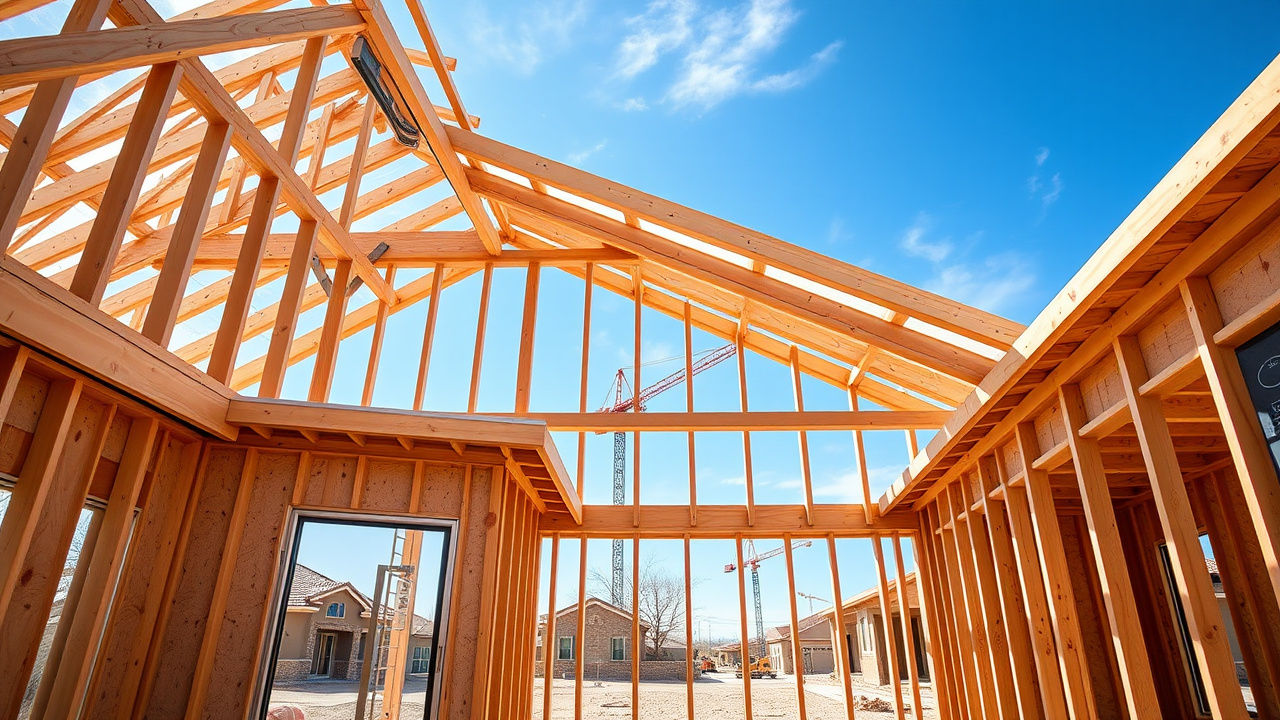
Get the envelope right before the drywall goes up.
With framing open, we can spray foam the full building envelope — roofline, exterior walls, garage — in one coordinated pass, timed to slot in after rough electrical, plumbing, and HVAC, and before the insulation inspection. We work directly with builders and homeowners across Queen Creek's master-planned communities to schedule around the build, not around us.
Roofline protects attic ductwork
Conditioned-attic (roof-deck) application brings HVAC ductwork inside the thermal envelope instead of leaving it in a vented attic that can hit extreme temperatures.
R30–R49, not a guess
We build to ENERGY STAR/DOE guidance for hot-dry Zone 2 homes — not a generic statewide number borrowed from a colder climate.
A real builder differentiator
Many new builds in Queen Creek still ship with standard batt or blown-in insulation — spray foam is a genuine performance upgrade a builder can point to.
Complete spray foam insulation for Queen Creek homes & builders
New build or existing home — click any service to see how it works, what it costs, and why it fits Queen Creek's climate and growth.
Proudly based in Queen Creek, serving the East Valley
Local crews who know these communities, this construction pace, and this climate.
From free assessment to a properly insulated home
Free assessment
We evaluate your home or build, talk through timeline and budget, and give you a clear, itemized quote.
Coordinate the schedule
For new builds, we slot in after rough-in and before drywall. For retrofits, we prep the space and stage equipment.
Spray-apply foam
Open-cell or closed-cell foam is sprayed to your Zone-2B-appropriate R-value target, sealing every gap.
Inspect & verify
We inspect the finished application and walk you through what to expect once the home is closed up.
Queen Creek spray foam insulation FAQs
Queen Creek is one of the fastest-growing towns in Arizona — over the past five years the area has seen more than 8,000 single-family building permits, spread across master-planned communities like Ironwood Crossing, Encanterra, and Meridian. That means a huge share of local homes are being framed right now, and the best time to spray foam a home is while the studs and roof deck are still open, before drywall closes everything up.
After rough electrical, plumbing, and HVAC are roughed in and inspected, but before the insulation inspection and drywall go up — the same slot in the schedule where batt or blown insulation would normally happen. We coordinate directly with builders and homeowners to slot into the framing timeline without adding delay.
Queen Creek sits in IECC Climate Zone 2B, a hot-dry desert climate. Code-minimum for Zone 2 attics is generally R30, with ENERGY STAR and DOE guidance recommending R38 to R49 for the best real-world performance. The exact requirement depends on which IECC edition your jurisdiction has adopted — we'll confirm what applies to your project rather than assume a single number.
For a new home meant to perform well against a Queen Creek summer, yes. Spray foam air-seals and insulates in one step, closing the gaps around top plates, duct boots, and wiring penetrations that batt insulation leaves open. Roofline (conditioned attic) application also protects any HVAC ductwork that runs through the attic — a real differentiator over standard builder-grade batts.
Both. New construction is where Queen Creek's market is growing fastest and where spray foam performs best, but we also handle attic, wall, and garage retrofits on existing homes throughout the East Valley — the right approach just depends on whether the framing is open or finished.
Yes. We're based in Queen Creek and also serve Mesa, Gilbert, San Tan Valley, Chandler, and Apache Junction — the same East Valley growth corridor.
Get your free insulation quote
Tell us about your home, new build, or project and we'll put together a clear, no-pressure spray foam insulation quote — built for Queen Creek's growth and Zone 2B desert heat.